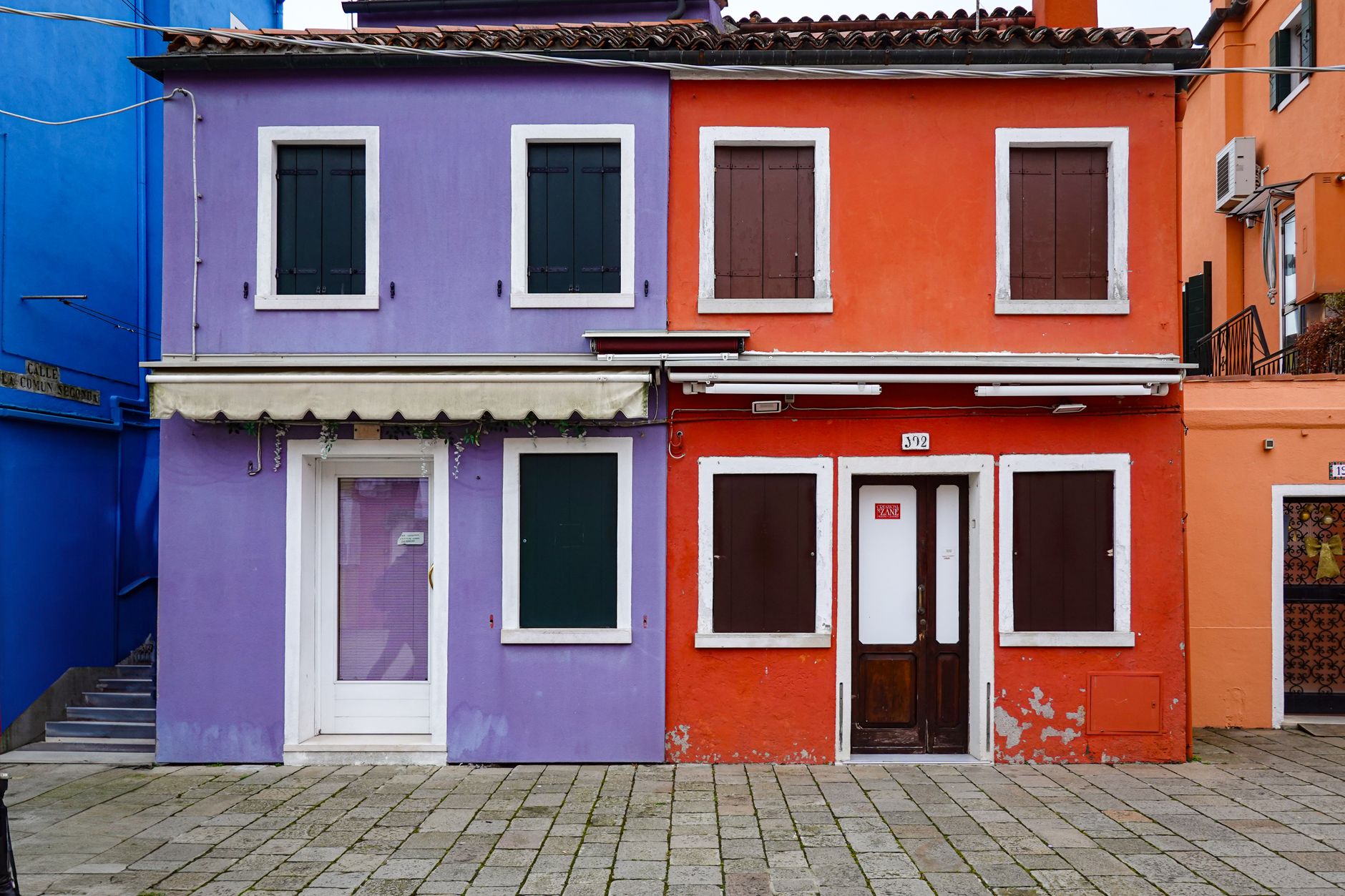
Introduction to Exterior House Colours
Why Choosing the Right Exterior Colours Matters
The exterior colour of your home is more than just a visual choice; it sets the tone for your property and reflects your personal style. Selecting the right house colours for outside can create a welcoming atmosphere, enhance curb appeal, and make your home stand out in your neighbourhood. A thoughtful colour palette can also complement architectural features and landscaping, ensuring your home looks harmonious within its surroundings.
How Colour Influences Home Value and Appeal
Beyond aesthetics, exterior colours can have a tangible impact on your home's market value. A well-chosen palette increases attractiveness to potential buyers and can even speed up the sale process. Conversely, unsuitable or outdated colours might detract from a property's desirability. Colour trends fluctuate, but timeless choices that suit the home’s style and environment tend to maintain their appeal and value over time.
Current Trends in House Colours for Outside
Popular Colour Palettes for 2024
In 2024, homeowners are gravitating towards palettes that blend natural tones with modern flair. Soft neutrals like warm greys, beiges, and creamy whites remain favourites for their versatility and elegance. Deep, moody blues and rich greens inspired by nature are gaining traction, offering a sophisticated and calming effect. Earthy terracotta and rust hues are also trending, adding warmth and character that connect homes to their landscapes.
Bold vs. Neutral: What’s Gaining Popularity?
While neutral colours continue to dominate for their adaptability and timelessness, bold hues are making a significant comeback. Homeowners are increasingly experimenting with dramatic navy blues, forest greens, and even charcoal blacks to create striking exteriors that stand out yet feel grounded. However, the key trend is balance—using bold colours thoughtfully as accents or on specific architectural elements, paired with more subdued base colours to maintain harmony.
Factors to Consider When Choosing Exterior Colours
Climate and Environmental Impact on Paint Choice
Your local climate plays a critical role in selecting both colour and paint type. In sunny, hot regions, lighter shades help reflect heat and protect your home’s exterior, while in cooler or cloudy climates, darker colours can absorb warmth and add coziness. Additionally, environmental factors like humidity, rainfall, and exposure to salt air near coasts influence paint durability, so it’s important to choose products designed to withstand local conditions.
Architectural Style and Neighbourhood Context
Matching your colour choices to your home’s architectural style ensures a cohesive and authentic look. Traditional homes often look best with classic palettes such as whites, creams, and muted tones, while modern or contemporary styles lend themselves well to monochromatic schemes or bold contrasts. It’s also wise to consider your neighbourhood’s character and any community guidelines, ensuring your palette complements rather than clashes with surrounding homes.
Combining Colours: Tips for a Cohesive Look
Choosing Complementary Trim and Accent Colours
The trim, doors, and shutters provide excellent opportunities to add depth and personality to your exterior. Selecting complementary colours for these features can enhance architectural details and create visual interest. For example, pairing a soft grey main colour with crisp white trim creates a clean, classic look, while a deep green door on a warm beige house adds a welcoming pop of colour. Test combinations in natural light to see how they interact throughout the day.
Using Contrast and Texture to Enhance Visual Appeal
Contrast isn’t just about colour; texture plays an equally important role. Combining matte and glossy finishes, or mixing wood, stone, and painted surfaces, can add richness to your home’s exterior. For instance, a smooth painted siding paired with natural stone accents creates a dynamic yet harmonious appearance. Thoughtful layering of textures and contrasts keeps your home visually engaging without overwhelming the senses.