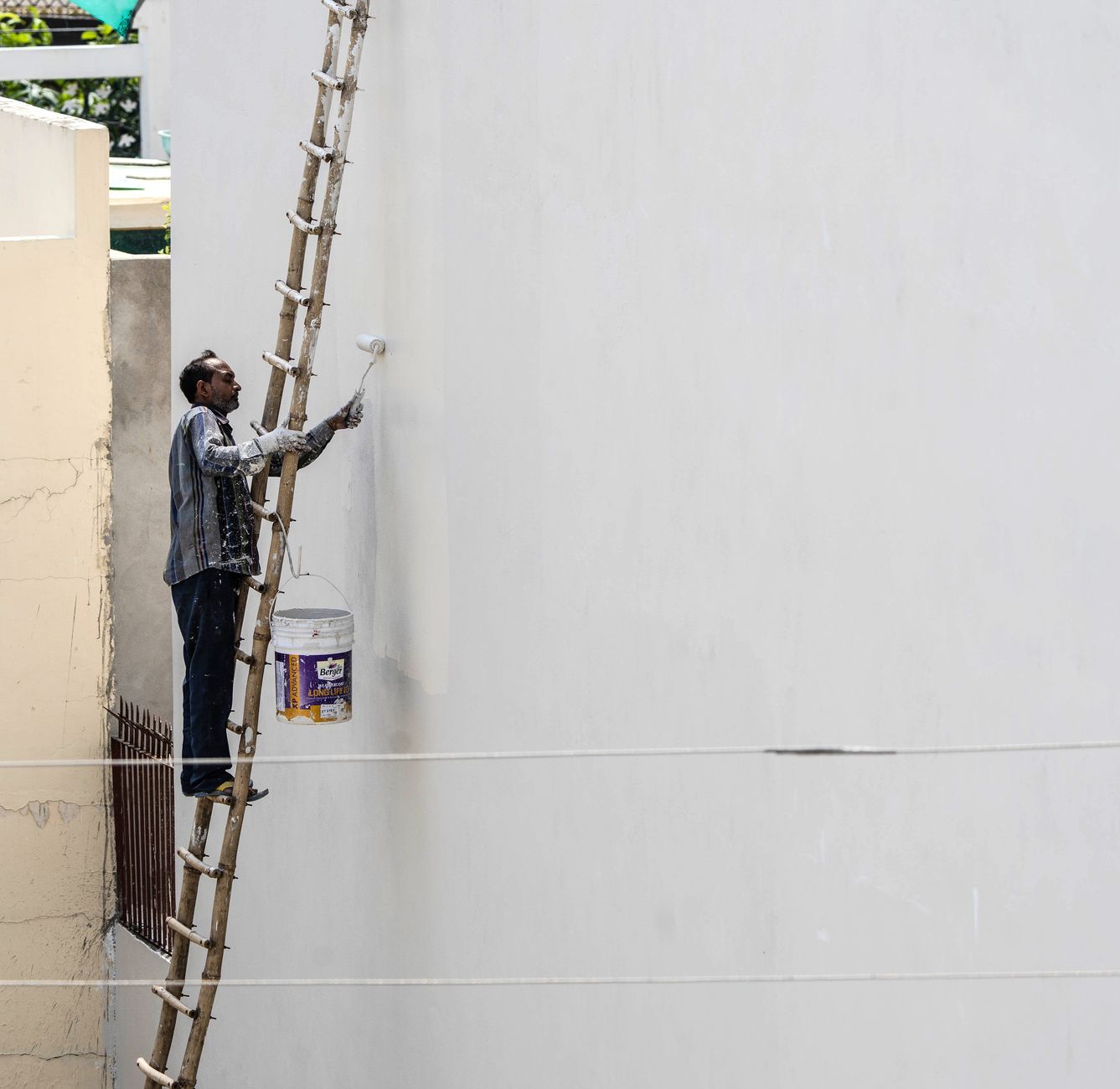
Introduction to Home Exterior Maintenance
Keeping your home's exterior in good shape is essential for preserving its value and preventing costly repairs down the line. Regular maintenance helps you spot small issues before they escalate into major problems. In this guide, we'll walk you through practical ways to identify and fix common exterior concerns early, ensuring your home stays safe, attractive, and efficient.
Why Early Detection Matters
Early detection of exterior problems can save you significant time and money. Minor cracks, leaks, or rot often start small but can rapidly deteriorate if left unattended. Addressing these issues promptly prevents structural damage, mold growth, and energy loss, prolonging the lifespan of your home’s components.
Common Exterior Components to Monitor
To maintain a well-protected home, focus on key exterior elements such as siding, roofing, gutters, foundation, windows, doors, and trim. Each of these parts is vulnerable to weather exposure and wear, so regular inspection and upkeep are crucial to maintaining your home's integrity.
Identifying Signs of Siding Damage
Types of Siding Issues
Siding can suffer from a variety of problems including cracks, warping, rot, and fading. Depending on the material—vinyl, wood, fiber cement, or stucco—damage may present differently. Common issues include chipped paint, loose panels, and moisture infiltration that can lead to mold or mildew behind the siding.
How to Inspect for Cracks and Rot
Begin your inspection by closely examining the siding surface for visible cracks or gaps. Tap along the siding to detect hollow spots indicating possible rot or water damage behind the panels. Pay special attention to areas near windows, doors, and corners where water often collects.
Effective Repair Techniques
For minor cracks or holes, use a high-quality exterior filler or caulk designed for your siding material. Replace any severely damaged or rotten sections to prevent further deterioration. Repainting or sealing the siding after repairs will enhance protection against weather elements.
Roof Inspection and Maintenance Tips
Spotting Missing or Damaged Shingles
Regularly check your roof for missing, cracked, or curling shingles. Such damage exposes your roof to leaks and accelerates wear. Use binoculars for a safe visual check, or schedule a professional inspection if you suspect widespread issues.
Preventing Leaks and Water Damage
Ensure flashing around chimneys, vents, and skylights is intact and sealed properly. Clear debris from valleys and gutters to maintain effective water runoff. Promptly repair any damage to prevent water from seeping into your attic or walls.
When to Call a Professional
If you notice extensive shingle loss, sagging roof sections, or signs of water intrusion inside your home, it’s time to consult a roofing expert. Professional inspections and repairs can prevent further damage and ensure your roof remains reliable.
Gutter and Drainage System Care
Clearing Debris to Prevent Clogs
Leaves, twigs, and dirt can accumulate in gutters, causing blockages that lead to water overflow and foundation damage. Clean your gutters at least twice a year, especially in fall and spring, to keep them flowing freely.
Checking for Leaks and Sagging
Inspect gutters for cracks, holes, and loose connections. Look for sagging sections that can trap water and cause leaks. Tighten brackets or replace damaged segments to maintain proper function.