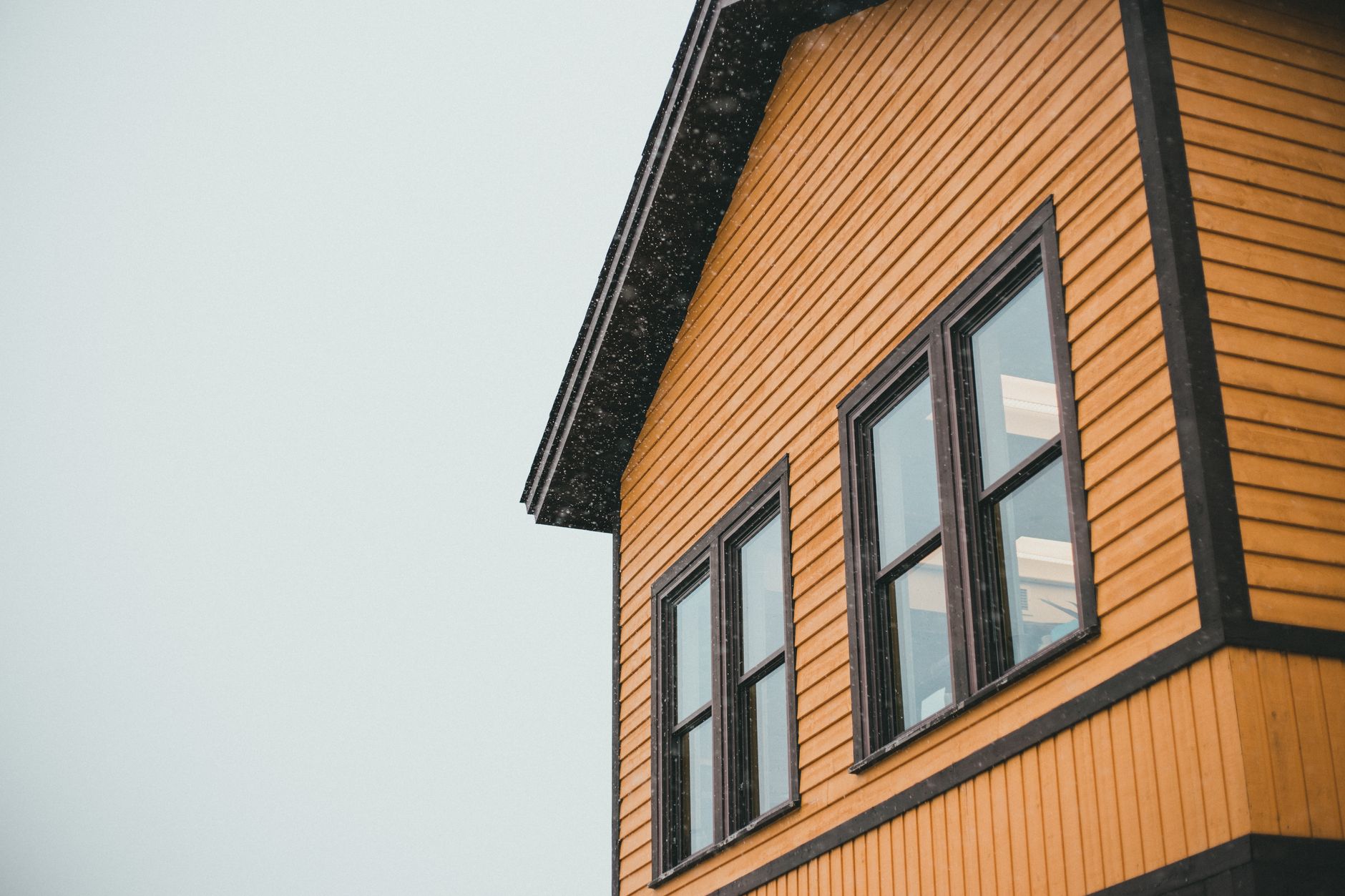
Introduction to Black Trim on House Exteriors
In recent years, black trim on house exteriors has become a popular design choice among homeowners and architects alike. This bold yet timeless color option offers a fresh way to enhance a home's character, making architectural details pop while lending a sophisticated edge to the overall look. Whether you’re considering a complete exterior makeover or just a subtle update, understanding how black trim can transform your home is essential.
Why Black Trim Is Trending in Home Design
The rise in popularity of black trim is tied to a broader trend toward minimalist and modern aesthetics. Black provides a striking contrast against lighter or neutral siding colors, instantly creating a clean and polished appearance. Additionally, black trim works well with a variety of architectural styles, making it a versatile choice for many homeowners. The color's ability to ground a home's exterior design gives it a contemporary feel while maintaining an air of timeless elegance.
The Impact of Trim Color on Overall Aesthetic
The color of your trim plays a crucial role in defining the character of your home. Trim frames the windows, doors, and rooflines, acting like a visual boundary that highlights these important features. Choosing black trim can dramatically alter the perception of your home’s style. It can add depth, create sharp contrasts, and draw attention to architectural details that might otherwise go unnoticed. The right trim color balances the exterior palette and enhances curb appeal, making black an excellent option for those aiming to make a statement.
Choosing the Right Shade of Black for Your Trim
Matte vs. Glossy Finishes
When selecting black paint for your trim, the finish you choose significantly affects the final look. Matte black offers a subtle, understated elegance that absorbs light and reduces glare, perfect for a modern, sophisticated appearance. On the other hand, glossy black reflects light, making the trim appear sharper and more pronounced. Gloss finishes are often easier to clean and more resistant to dirt, which can be an advantage for exterior trim. Deciding between matte and glossy will depend on your home’s style and the visual impact you want to achieve.
Matching Black Trim with Your Home’s Color Palette
Not all black paints are created equal, and the undertones can vary from cool blue-black to warm brown-black. When pairing black trim with your siding, consider the undertones of both colors to ensure harmony. For example, cool black trim looks stunning with crisp white or gray siding, while warmer black tones complement beige or tan exteriors. Testing paint samples in different lighting conditions around your home will help you find the perfect shade that enhances your house’s overall palette.
Architectural Styles that Benefit from Black Trim
Modern and Contemporary Homes
Modern and contemporary homes often feature clean lines and minimal ornamentation, making black trim an ideal choice to emphasize geometric shapes and structural elements. The stark contrast of black trim against light or neutral walls highlights the sleekness and sophistication of modern designs. Black trim can also add a dramatic flair to flat roofs, large windows, and open-plan layouts typical of contemporary architecture.
Traditional and Craftsman Styles
While black trim is frequently associated with modern aesthetics, it also complements traditional and Craftsman-style homes beautifully. In these styles, black trim draws attention to intricate woodwork, exposed beams, and decorative brackets, emphasizing craftsmanship. The depth provided by black trim can enhance the warmth and character of these homes, creating a balanced blend of classic charm and modern trendiness.
Practical Tips for Painting and Maintaining Black Trim
Prep and Painting Techniques for Long-Lasting Results
Proper preparation is key to achieving a flawless black trim finish that lasts. Start by cleaning the surfaces thoroughly to remove dirt, mildew, and old paint flakes. Sand the trim to ensure a smooth surface, and apply a high-quality primer designed for exterior wood or metal depending on your trim material. When painting, use high-quality exterior paint formulated for durability and weather resistance. Applying two or more thin coats rather than a single thick one will help prevent drips and ensure even coverage.