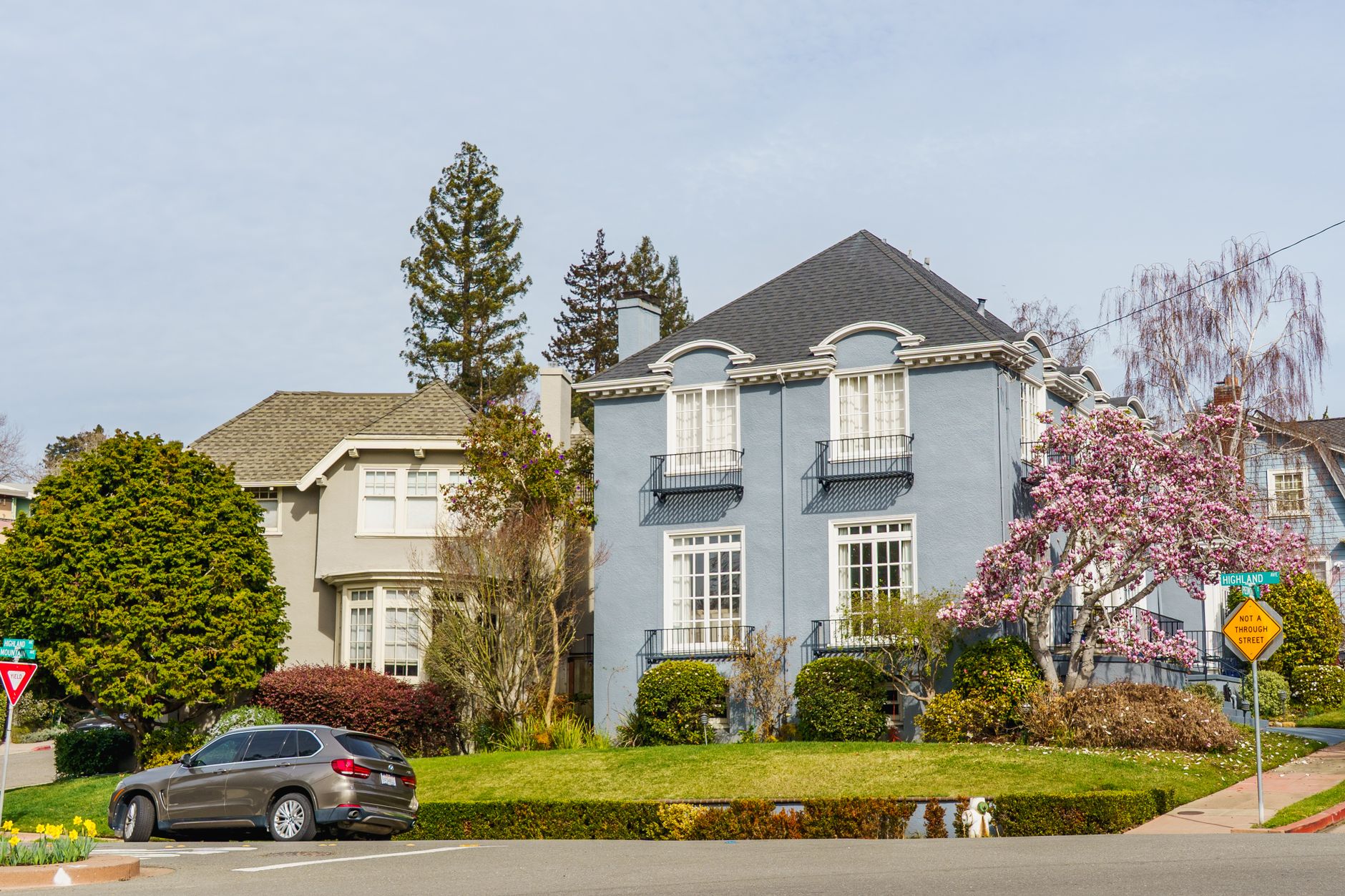
Understand Your Climate and Environment
Before selecting new look home exteriors, it’s essential to evaluate the climate and environmental conditions in your area. Different weather patterns can have a significant impact on how exterior materials perform and age over time.
Assess Local Weather Conditions and Their Impact on Exterior Materials
Consider factors such as temperature extremes, rainfall, humidity, wind exposure, and sun intensity. For instance, homes in regions with heavy rainfall need materials resistant to moisture and mold, while those in hot climates benefit from materials that reflect sunlight and reduce heat absorption.
Choose Materials That Withstand Humidity, Heat, Cold, or Wind
If you live in a humid environment, materials like fiber cement or brick are less likely to succumb to rot and mildew compared to wood. In colder areas, materials that resist cracking under freeze-thaw cycles, such as vinyl or fiber cement, are preferable. For windy regions, sturdy materials with secure fastening systems help prevent damage during storms.
Select Durable and Low-Maintenance Materials
Choosing exterior materials that combine durability with minimal upkeep saves you time and money in the long run. Understanding the pros and cons of popular options will guide your decision.
Compare Popular Exterior Materials Like Vinyl, Fiber Cement, and Brick
Vinyl siding is affordable, resistant to moisture, and available in many styles and colors, but it may fade over time and can crack in very cold climates.
Fiber cement
Brick
Evaluate Maintenance Needs to Save Time and Cost Over Time
Consider how often materials need repainting, cleaning, or repairs. For example, wood requires regular sealing or painting to prevent damage, while fiber cement and brick typically need less frequent attention. Vinyl siding generally needs only occasional washing to maintain its appearance.
Focus on Energy Efficiency and Insulation
Your choice of exterior materials can significantly influence your home's energy consumption, helping to reduce utility bills and improve comfort year-round.
How Exterior Choices Affect Home Energy Consumption
Materials with good insulating properties reduce heat transfer, keeping your home warmer in winter and cooler in summer. Additionally, colors and finishes can affect how much heat your exterior absorbs.
Incorporate Insulated Siding and Reflective Finishes for Better Efficiency
Consider insulated vinyl or fiber cement siding with built-in foam backing to boost thermal resistance. Reflective paint finishes or lighter colors can deflect solar heat, reducing cooling costs in warmer climates.
Match Exterior Style with Your Home’s Architecture
Creating a cohesive look that enhances your home's character is key when selecting new look home exteriors. The right materials and colors can amplify curb appeal and value.
Identify Architectural Styles and Suitable Exterior Finishes
Different architectural styles pair naturally with certain materials. For example, craftsman-style homes often look great with wood or fiber cement siding, while colonial homes suit brick or stone exteriors. Understanding your home’s architectural roots helps guide your choices for a harmonious appearance.
Use Color Palettes and Textures That Complement Your Home’s Character
Choose colors that blend well with your roof, trim, and landscaping. Texture also plays a role—smooth finishes offer a modern feel, while textured siding can add depth and warmth. Sampling colors in natural light will help you avoid surprises.
Plan for Long-Term Maintenance and Upkeep
Even the best materials require care. Having a maintenance plan ensures your new look home exteriors remain attractive and functional for years.
Create a Maintenance Schedule for Cleaning and Inspections
Set reminders to clean siding annually to remove dirt, mold, and mildew. Regular inspections, particularly after severe weather, help identify early signs of damage such as cracks, warping, or loose panels.
Understand Common Issues and Proactive Care Tips
Common problems include fading, moisture damage, and insect infestations. Use appropriate cleaning solutions and avoid power washing at high pressures that could damage surfaces. Seal any gaps promptly to prevent water intrusion.
Consult Professionals and Request Samples
Partnering with experienced contractors and designers can make the selection and installation process smoother and more successful.
Work with Trusted Contractors and Designers for Expert Advice
Professionals bring insights into which materials best suit your home’s style, budget, and local conditions. They can also help you navigate any permit requirements and ensure proper installation.
Test Samples in Natural Light Before Finalizing Your Decision
Colors and textures often look different indoors versus outdoors. Viewing samples on your home under various lighting conditions during the day helps you choose finishes that truly meet your aesthetic expectations.
Conclusion
Choosing new look home exteriors that last involves a thoughtful balance of climate considerations, durability, maintenance, energy efficiency, style, and professional guidance. By carefully assessing your environment and preferences, selecting quality materials, and planning for upkeep, you can create a stunning exterior that enhances your home's value and stands the test of time.
FAQ
What are the most durable materials for new look home exteriors?
Materials like fiber cement, brick, and high-quality vinyl are known for durability and low maintenance, making them excellent choices for lasting home exteriors.
How can I improve my home's energy efficiency with exterior updates?
Using insulated siding, reflective paint finishes, and proper sealing can significantly reduce heat loss or gain, improving your home's energy efficiency.
Is it necessary to match exterior materials with my home's architectural style?
Yes, choosing materials and colors that complement your home's architecture enhances curb appeal and maintains a cohesive, attractive look.