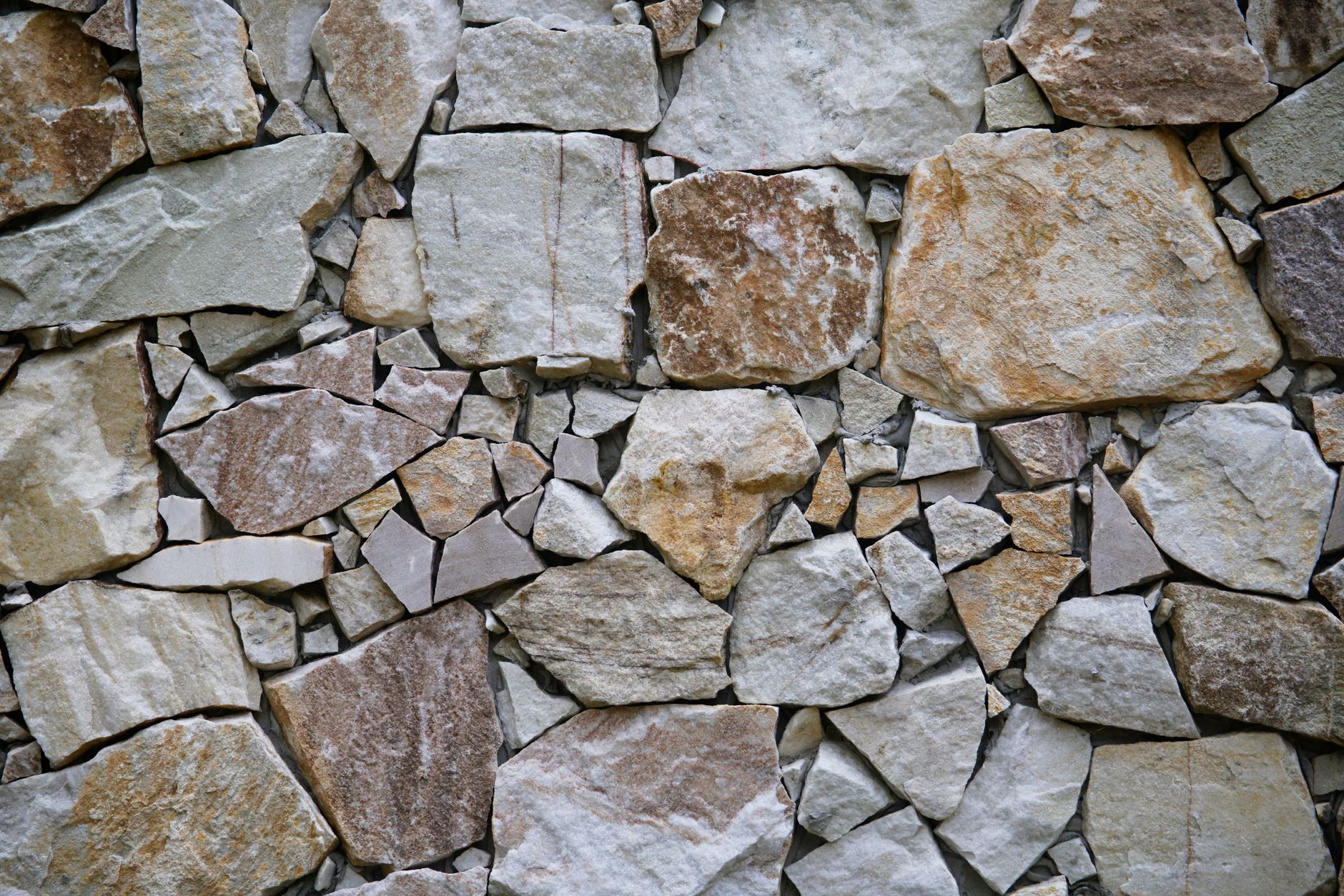
Introduction to Stone for Home Exteriors
Choosing the right stone for your home exterior can transform the look and feel of your property, adding both aesthetic appeal and lasting durability. Stone has been a favored building material for centuries, offering a timeless elegance that few other materials can match. Whether you're renovating an existing facade or designing a new build, understanding the benefits and options available will help you make an informed choice.
Why Stone is a Popular Choice
Stone stands out as a popular choice because it combines natural beauty with remarkable strength. It provides a distinctive character that enhances curb appeal and often increases property value. Additionally, stone’s versatility allows it to complement a wide range of architectural styles—from rustic cottages to modern minimalist homes.
Key Benefits of Using Stone Outdoors
Beyond aesthetics, stone offers practical advantages. It is highly resistant to weather, fire, and pests, making it a durable option for exterior walls. Stone also has excellent thermal properties, helping regulate indoor temperatures by keeping homes cooler in summer and warmer in winter. Its longevity means it can last for decades with proper care, reducing the need for frequent repairs or replacements.
Common Types of Stones for Home Exteriors
When selecting stone for your home exterior, understanding the properties of different types can guide your decision based on durability, appearance, and maintenance needs.
Granite: Durable and Elegant
Granite is prized for its exceptional hardness and resistance to scratching and weathering. With a polished or rough surface, it offers a sophisticated look that ranges from subtle speckled patterns to bold, dramatic veining. Granite suits homes seeking a refined, long-lasting exterior that stands up well to harsh climates.
Limestone: Classic and Versatile
Limestone has a softer, more muted appearance than granite and lends a timeless charm to any home. Its natural colors—often in shades of cream, beige, and gray—blend well with traditional and contemporary designs. Limestone is easier to shape and carve, making it ideal for detailed architectural features, but it requires some protection against acid rain and weathering.
Slate: Unique Texture and Color
Slate is known for its fine-grained texture and range of deep, rich colors, including blues, greens, and purples. Its layered structure makes it an excellent choice for exterior cladding and roofing. Slate’s slip-resistant surface and weather resistance add functional benefits, though it tends to be heavier and may require reinforced structural support.
Sandstone: Natural Warmth and Character
Sandstone offers a warm, earthy look with a variety of tones from soft yellows to reddish browns. Its porous nature provides a textured finish that fits well with rustic, southwestern, or Mediterranean-inspired homes. While sandstone is generally durable, it can be more susceptible to erosion in very wet climates, so proper sealing is advisable.
Factors to Consider When Choosing Stone
Choosing the perfect stone for your home exterior involves weighing several important factors to ensure it complements your home and stands the test of time.
Climate and Weather Resistance
Consider the local climate carefully. Stones like granite and slate perform exceptionally in regions with extreme weather, resisting freeze-thaw cycles and heavy rain. Limestone and sandstone may require more maintenance in wet or acidic environments. Understanding how each stone reacts to your area’s weather patterns helps avoid premature damage.
Budget and Installation Costs
Stone can vary widely in price depending on type, source, and finish. Granite tends to be on the higher end, while sandstone and limestone may be more affordable options. Installation costs also depend on stone size, complexity of design, and labor rates. Be sure to factor in not only material cost but also professional installation and any surface preparation needed.
Color and Texture Matching Your Home Style
Stone color and texture should harmonize with your home’s architectural style and surrounding landscape. For example, a sleek granite exterior complements modern designs, while sandstone’s warm hues fit traditional or rustic homes. Sampling stones onsite and viewing them in different lighting conditions ensures you achieve the desired visual effect.
Maintenance Requirements
While stone is generally low maintenance, some varieties need periodic sealing to preserve appearance and protect against stains or moisture infiltration. Consider how much time and effort you are willing to invest in upkeep. Stones like granite require minimal care, whereas softer stones may need more attention over time.
Installation Tips for Long-Lasting Stone Exteriors
Proper installation is crucial to maximize the life and beauty of your stone exterior. Here are some tips to ensure the best results.